



State-of-the-art Manipulation Under Anesthesia with Fibrous Release Procedures [or MUA-FRP] Consultations and procedures in the San Ramon, San Francisco Bay Area, California.
Specializing in the treatment of chronic back, neck and spinal pain, shoulders, hips and knees.
Most people find MUA-FRP to be the best solution to chronic or stubborn issues that cannot be treated by traditional chiropractic practices or that may not be serious enough to warrant surgical intervention.
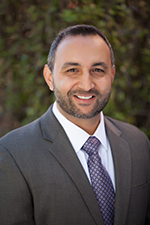 Leading MUA physician Sarbjit “Sarb” Dhesi, D.C. has been performing these procedures since 1999 and has been teaching, proctoring, advising and developing the procedure and protocols throughout his career.
Read more about Dr. Dhesi and his background with Manipulation Under Anesthesia.